An AI customer service chatbot works for a small business when it answers from your own content, looks up order status through your systems and hands over to a person early. It backfires when it invents answers, traps customers in a loop or promises things only your staff can approve. Start narrow and measure everything.
Most small teams have nobody on the chat at night, and the same dozen questions arrive all day: opening hours, delivery times, order status, return rules. That is the right target. Below: what to automate, what goes wrong, the guardrails, how to measure results, and how to handle channels and privacy.
What works
Answers from your own content
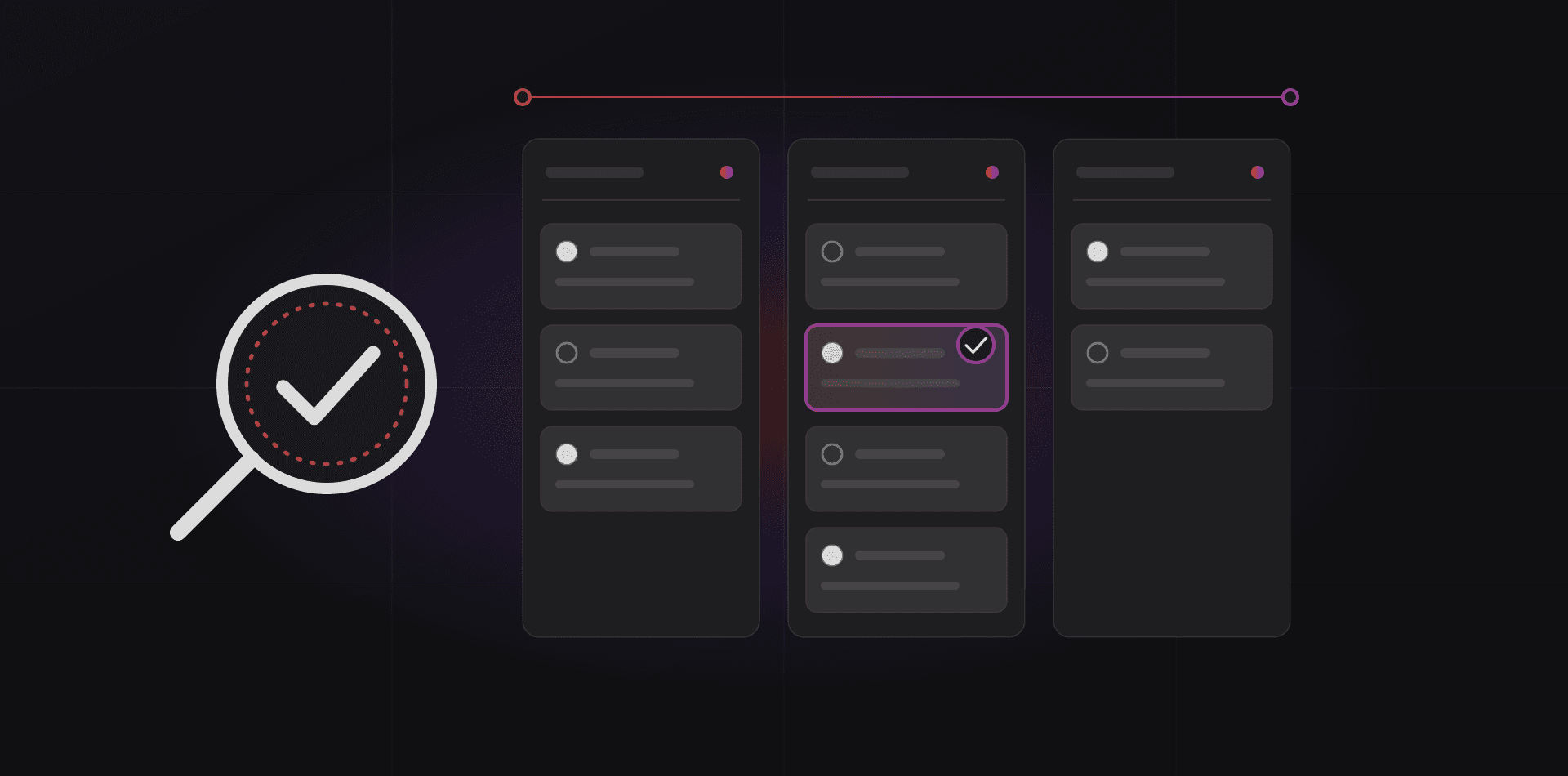
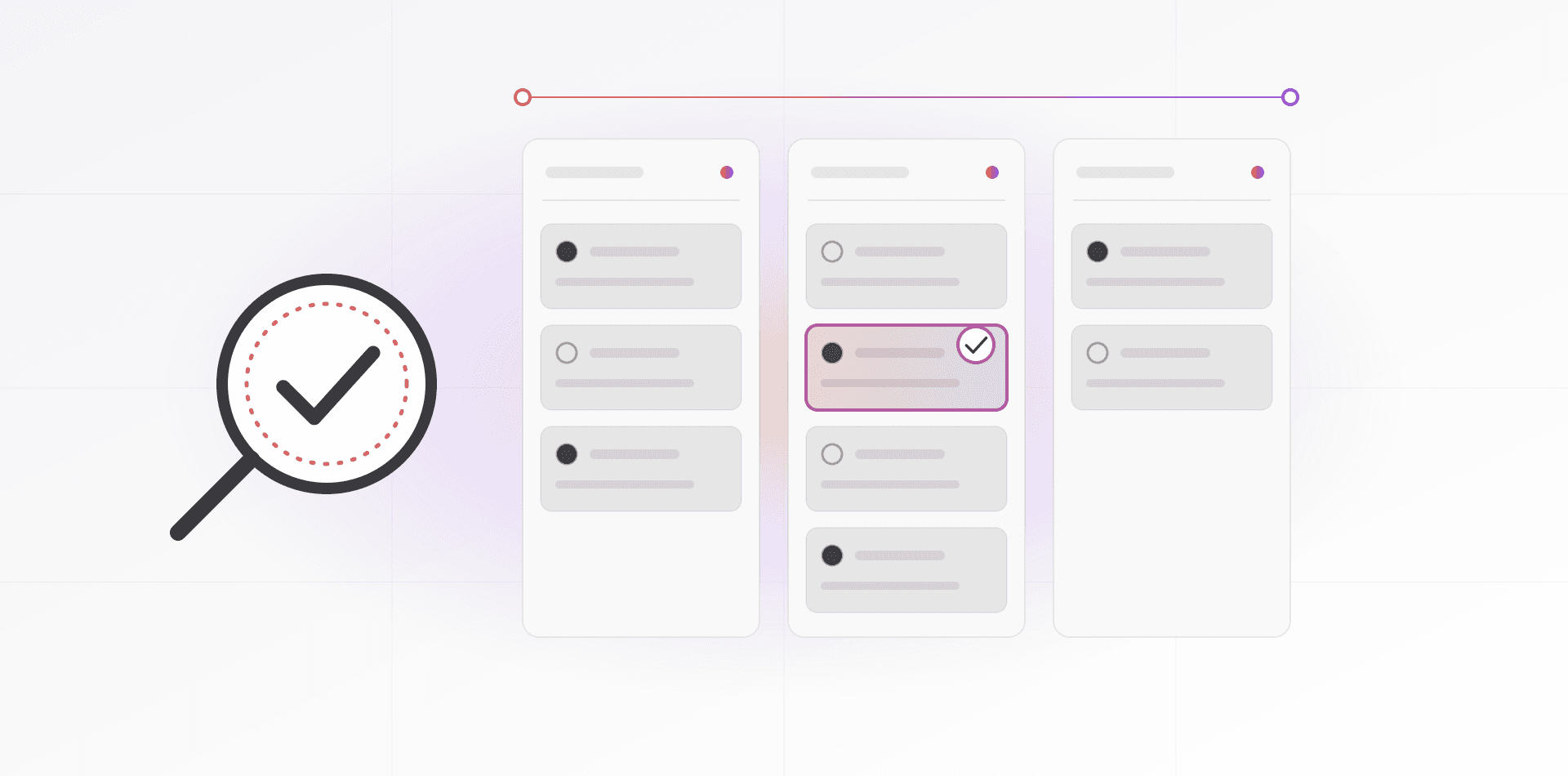
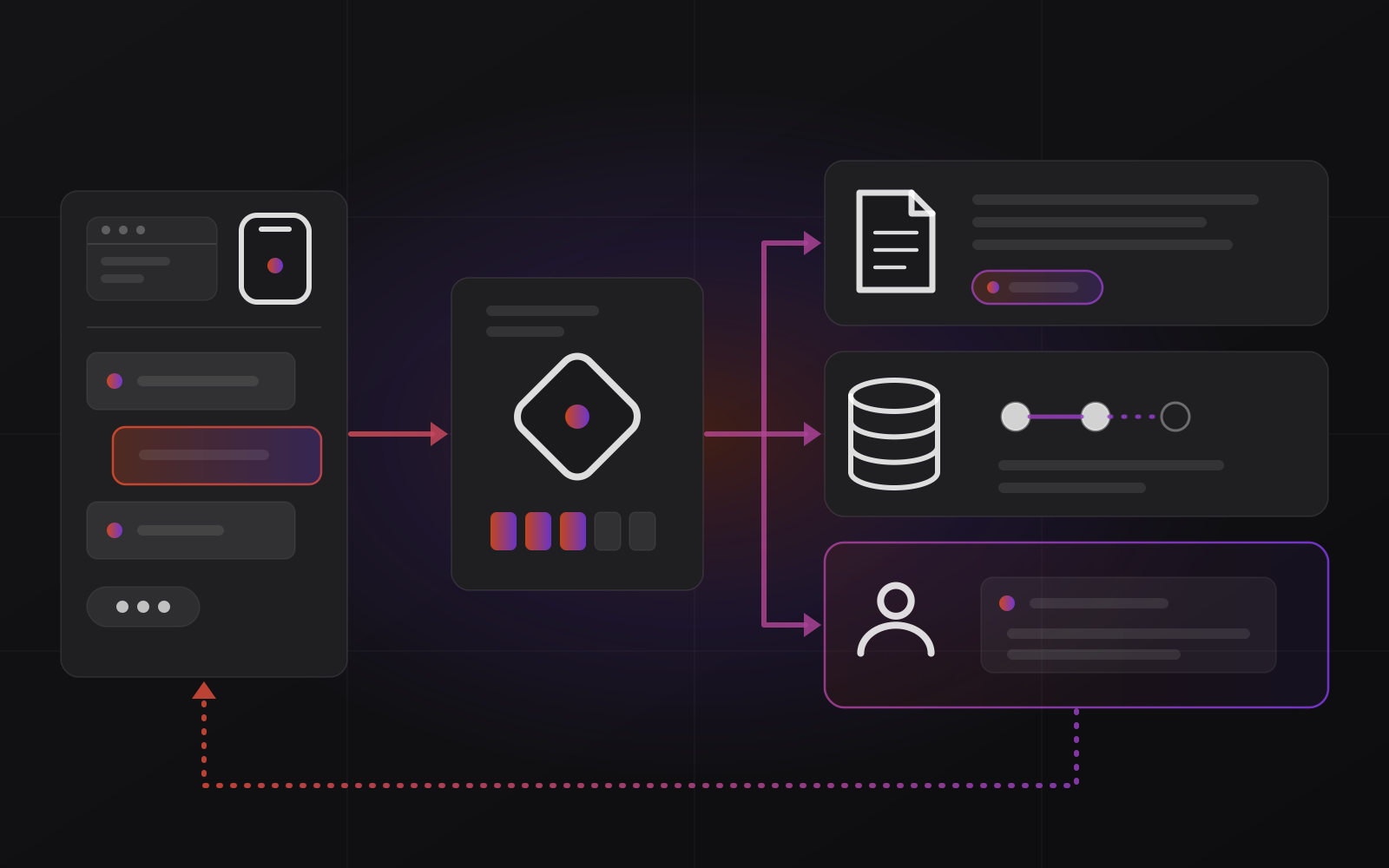
The reliable pattern is simple. The bot reads your approved pages, policies and product sheets, finds the passage that matches the question, and answers from that passage only. Each answer links to its source. If the content doesn't cover the question, the bot says so and offers a person.
This is the same retrieval technique we describe in our guide to asking AI about company documents. The quality of the bot is the quality of the content behind it. If your return policy is three vague lines, the bot will fill the gaps with guesses.
Order status through an integration
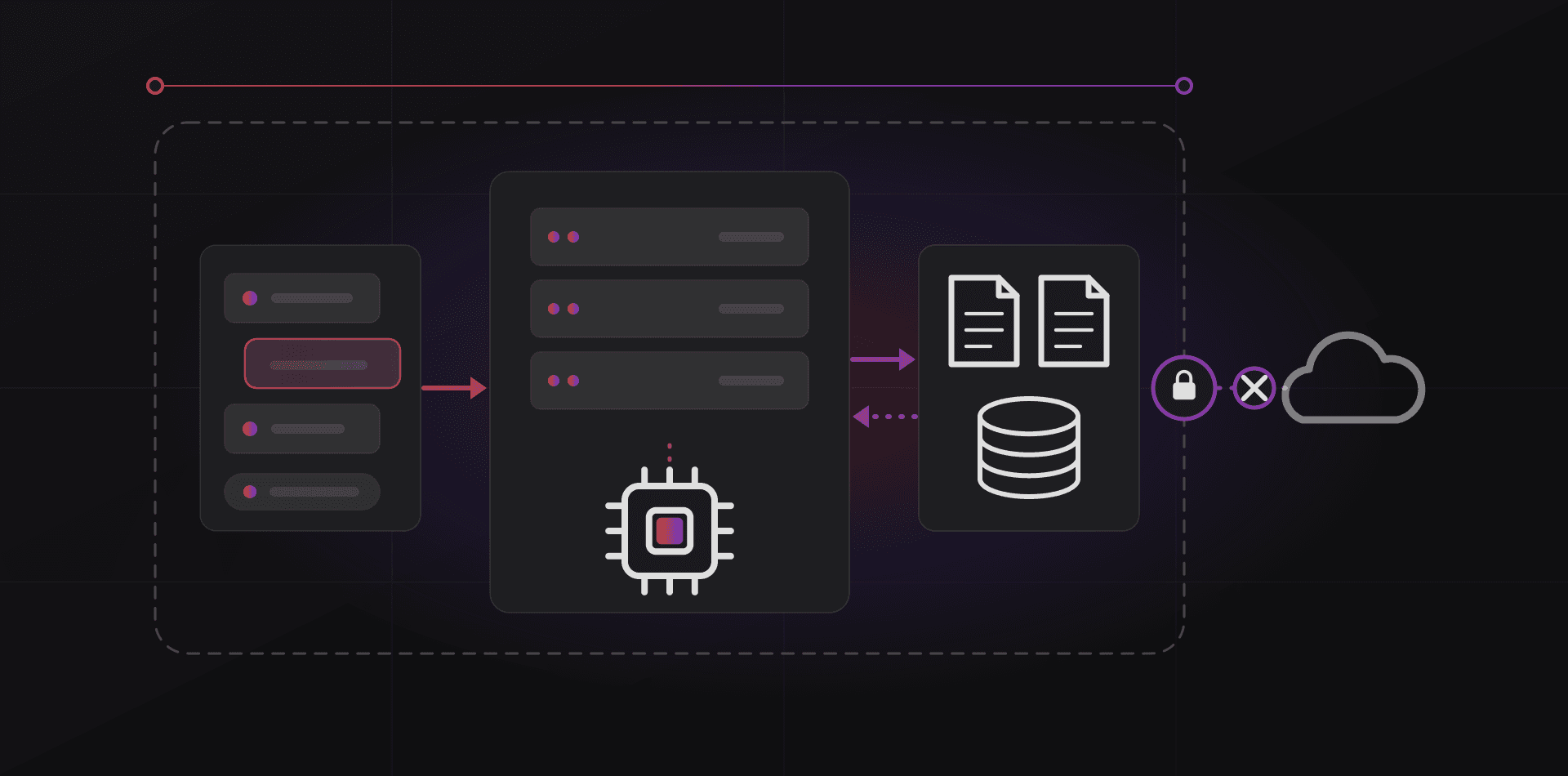
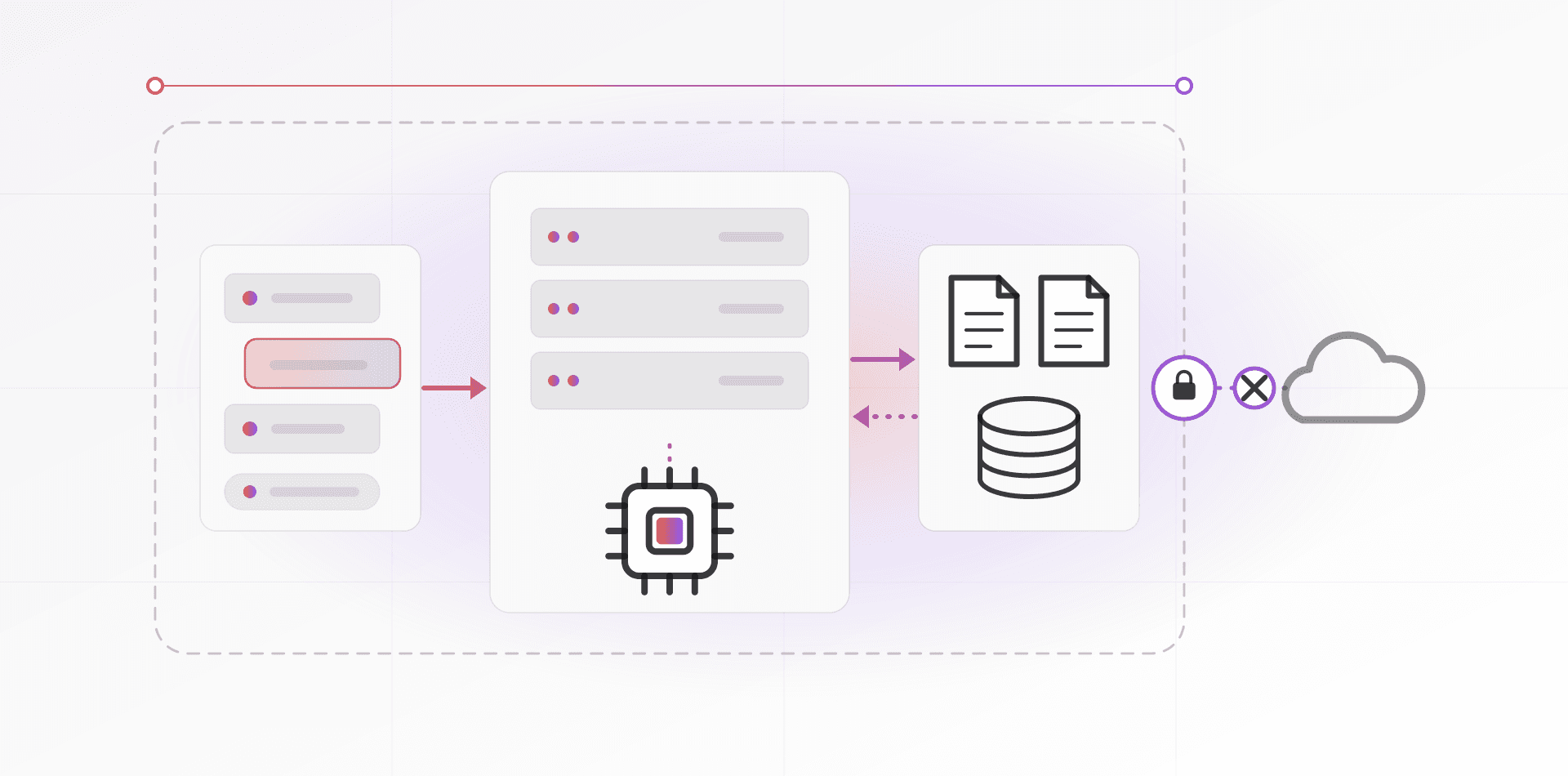
Order tracking is the best first automation, because the answer lives in a system, not in a language model's memory. The bot asks for an order number plus the email or phone on the order, calls your shop or ERP, and reports the status in plain words. If your store runs on Rain Store or another platform with an API, this is a small integration.
Keep it read-only at first. The bot may look up a status. It may not cancel, refund or change an address. And never show order details on an order number alone, because order numbers are easy to guess.
Hand-off to a human
The escape hatch decides whether customers trust the bot. Show a visible "talk to a person" option from the first message. Trigger a hand-off automatically after two failed answers, when the customer sounds angry, or when the message contains words such as refund, complaint or lawyer.
The hand-off must carry the whole transcript and the order details, so the customer never repeats themselves. It should create a ticket in your helpdesk, such as Wave Ticket. Outside office hours, say when a human will really reply, and then keep that promise.
What backfires
- Made-up answers. Language models write fluent text even when they don't know the answer. In 2024 a Canadian tribunal held Air Canada responsible for what its website chatbot said about bereavement fares. The company could not blame the bot.
- No escape hatch. A loop of "Sorry, I didn't understand" turns a small question into a lost customer.
- Promises it can't keep. A bot that says "I've cancelled your order" or "we'll deliver tomorrow" without the power to do it creates a real problem for your staff.
- Pretending to be a person. Customers forgive a bot that is honest about being a bot. They don't forgive one that lies about it.
- Launching on thin content. A bot trained on five FAQ lines will improvise the rest.
A bot that can't say "I don't know" is a liability with a friendly face.
Notice the pattern. Every failure above comes from giving the bot more freedom than its content or its authority justifies. The fix is rarely a smarter model. It is a smaller job and a clearer boundary.
Guardrails that keep it honest
Write these rules down before launch. They are the real product.
- Answer only from approved content. If nothing matches, say so and offer a person.
- Show the source link under each answer so customers can check it.
- Start with read-only access. Refunds, cancellations and address changes need a human approval step.
- Ban commitments. No prices, discounts, delivery dates or exceptions unless the bot reads them live from your systems.
- Verify identity before sharing any order or account detail.
- Hand off on triggers: two failed attempts, a complaint, a legal word, an angry tone, or any request for a person.
- Tell people they are talking to a bot.
- Log every conversation with a retention limit, so you can audit them.
Assume some customers will try to trick the bot. Anything typed into the chat is untrusted input, and prompt injection tops OWASP's list of risks for applications built on language models. You can read the details in the OWASP Top 10 for LLM applications. The safest defense is to give the bot very little power, not a cleverer prompt.
Website chat and WhatsApp
A website widget is the easiest place to start. You control the design, you know which page the visitor is on, and you can pass order or login context straight to the bot.
In Morocco, many customers would rather message you on WhatsApp than open a website. For businesses that means the WhatsApp Business Platform, reached through Meta or a provider, not the free WhatsApp Business app. Customers must opt in. Within 24 hours of a customer's last message you can reply freely. After that you can only send pre-approved message templates. WhatsApp's business terms also restrict general-purpose AI assistants, while support bots for your own customers are the intended use. Read the current WhatsApp Business Platform documentation before you build.
Language matters as much as channel. Customers write in French, Arabic and English, and often mix them. Moroccan Arabic is frequently typed in Latin letters. Test the bot with real messages from your inbox, have it answer in the customer's language, and hand off whenever it is unsure. Start with one channel, get the content right, then add the second.
Measuring whether it works
Take a baseline before launch. Count your tickets and chats per week by topic, and note your average first-reply time. Then track a short list after launch.
- Resolution rate: conversations that ended without a human and without the same customer coming back about the same issue.
- Hand-off rate, and the reasons behind it.
- Wrong-answer rate, from a weekly audit of a random sample of transcripts.
- Customer rating: a simple thumbs up or down after each chat.
- First-reply time and the time to reach a human when needed.
- Unanswered questions: each one is a page you should write.
Read 20 transcripts a week for the first month and mark each as correct, wrong, or should have handed off. This is the most useful hour of the week. Set a stop rule too: if the audit finds wrong answers, fix the content before you add scope.
Beware of vanity numbers. A bot that "deflects" every chat by frustrating people is failing. Watch repeat contacts and ratings next to the resolution rate.
Privacy and data handling
Chats hold names, phone numbers, addresses and order details. Sometimes customers type card numbers or health details by mistake. Decide up front what the bot stores, for how long, who can read it and where the model runs. In Morocco, Law 09-08 and its regulator, the CNDP, cover personal data. EU customers bring GDPR with them. Ask your lawyer which rules apply.
Put a short notice at the start of the chat: it is a bot, and conversations are stored to improve service. Tell customers not to type card numbers or passwords, and have the bot refuse and mask them. Read the vendor's data terms: whether chats train their models, where data is hosted, and how deletion works. If your data truly can't leave, a model on your own hardware is an option, as we explain in running AI on your own server.
Frequently asked questions about AI customer service chatbots
How much does an AI customer service chatbot cost?
It depends on channels, integrations and volume. Expect a platform or hosting fee, model usage billed per message, one-off integration work, and ongoing staff time to maintain content, which is the cost people forget. We don't quote figures in articles. See our pricing for how we scope projects.
Will a chatbot replace my support staff?
No. It takes the repetitive questions: hours, delivery, order status, return rules. People still handle exceptions, complaints and anything involving money or judgment. In practice staff spend less time on copy-paste replies and more time on the hard cases and on improving the content the bot relies on.
Can a chatbot handle Arabic, French and English?
Current models generally handle French and standard Arabic well. Moroccan Arabic, especially in Latin letters, is less reliable. Test with real customer messages before launch, have the bot reply in the customer's language, and set it to hand off to a person when it isn't sure.
What should the bot do when it doesn't know the answer?
It should say so, offer a person, and log the question. Guessing is the failure to avoid. Every logged "I don't know" is a to-do item: either a missing page to write or a rule to clarify. Reviewing that log weekly is how the bot gets better.
Should I start with WhatsApp or website chat?
Start where most customers already write to you. If that is WhatsApp, begin there and accept the template and opt-in rules. If it is your website, a chat widget is faster to build and easier to control. Either way, use one content source so the answers match.
Where to go next
If you want a chatbot scoped to your real questions, with order lookups and a clean hand-off, see our AI automation work. To plan the content side first, read about building an AI knowledge base from company documents.
Related articles