SEO and GEO for small business come down to one job: publish pages that answer real customer questions clearly, with facts you can back up. SEO gets those pages ranked in Google. GEO, short for generative engine optimization, makes them easy for AI answers to quote. Most of the work is shared.
Nobody outside Google, OpenAI and Perplexity knows exactly how their answers pick sources, and none of them publishes the full recipe. So this guide sorts advice into three piles: what the companies have said in writing, what is established SEO, and what is a sensible bet. We label each one.
It is written for owners who already have a website and keep hearing that AI will replace search. Search has not gone away, and the same habits help in both places.
What stays the same: SEO still does most of the work
Google's documentation on AI features is blunt. To appear as a link in AI Overviews or AI Mode, a page must be indexed and eligible to show in Search with a snippet. Google adds that there are no extra technical requirements, and no special files or markup to add.
In other words, the foundation is ordinary SEO. Four things carry it.
- Useful pages. One page per service, product or question, written for a customer, with real details: what you do, where, for whom and how it works.
- Technical basics. Pages that can be crawled and indexed, load fast on a phone, use HTTPS and have clear titles. One stray noindex tag or robots.txt block removes you from everything.
- Links and mentions. Reputable sites that mention or link to you: suppliers, local associations, directories, the press. Earn them. Do not buy them.
- Search tools set up. Verify the site in Google Search Console and Bing Webmaster Tools, both free, and submit your sitemap.
We cover the speed part in our guide to Core Web Vitals. The safe way to rebuild a site is in redesigning without losing rankings. For everything else, Google's SEO starter guide is free and written for site owners. Read it once.
What GEO adds, and how sure we are
GEO means shaping your content so AI systems can find it, understand it and quote it accurately. The label is new. Most of its habits are old ones with a new audience. GEO is mostly SEO with better manners: answer first, say who you are, show your sources.
Let the right crawlers in (documented)
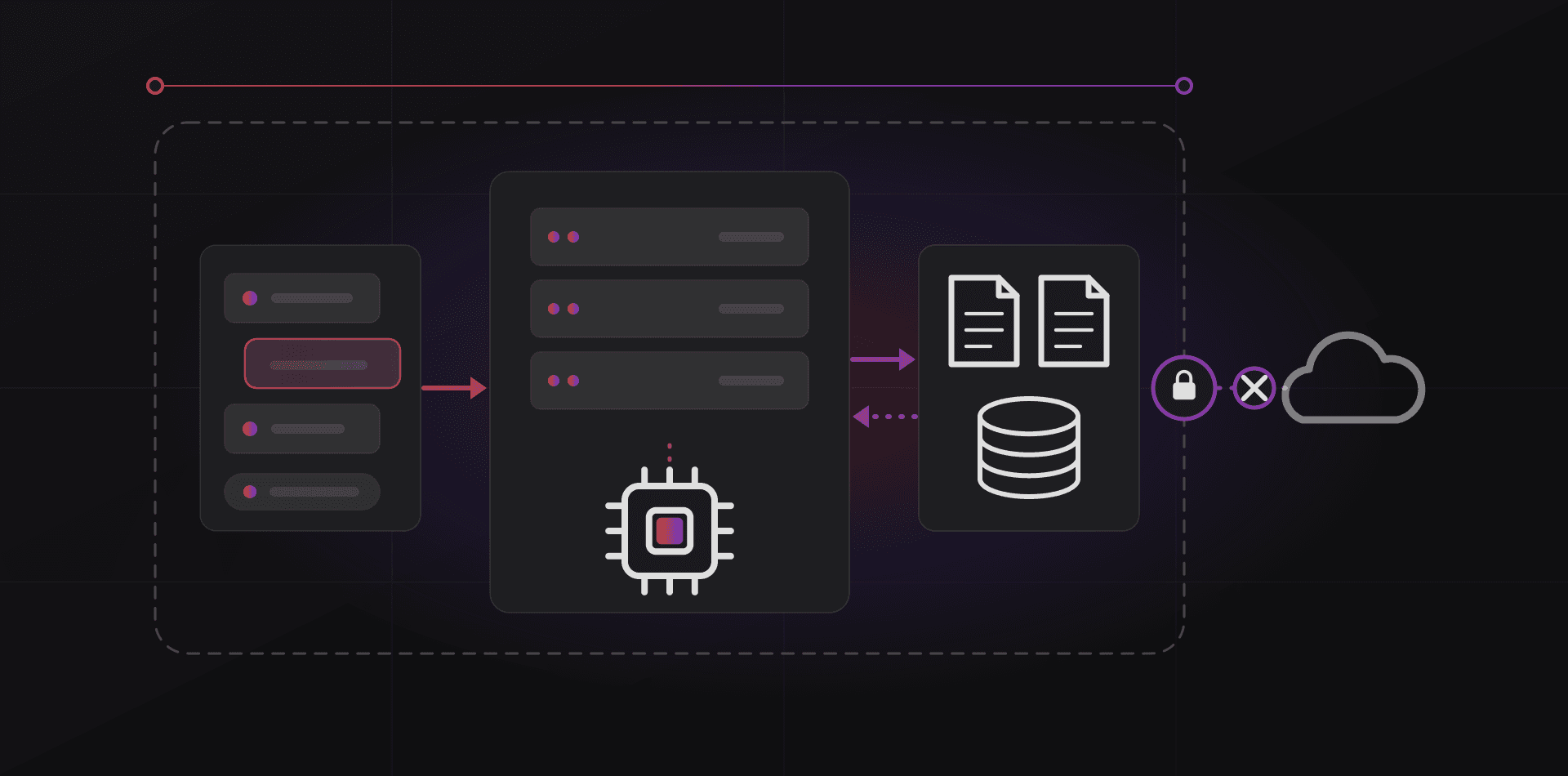
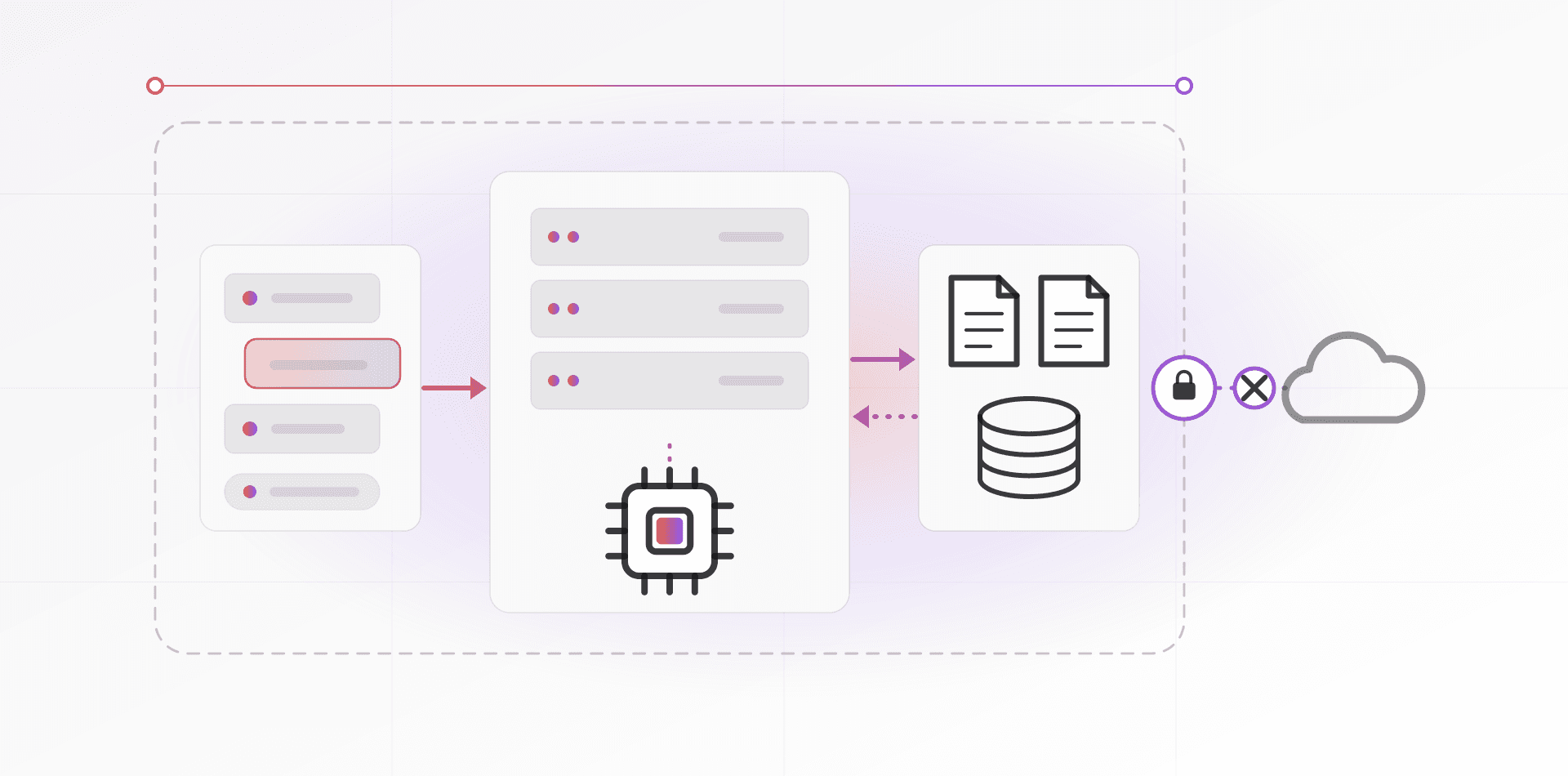
AI search tools use their own crawlers. OpenAI documents OAI-SearchBot for ChatGPT search and recommends allowing it in robots.txt. Perplexity documents PerplexityBot the same way. Google uses its ordinary Googlebot for AI Overviews. See OpenAI's crawler page and Perplexity's.
Blocking GPTBot only opts you out of model training, and OpenAI says each setting works independently. Some security plugins, firewalls and content delivery networks offer a one-click block for AI bots. Check yours first. If that switch is on, you may have turned yourself off without knowing.
Answer first (sensible bet)
Open each section with the direct answer in one or two sentences, then add the detail. A passage that makes sense on its own is easy to lift into a summary. Nobody outside the engines can prove how they pick passages, but it also reads better for people.
Clear entities (sensible bet)
An entity is a named thing a system can recognize: your business, its owner, its services, its city. State them plainly and identically everywhere: your site, your Google Business Profile, directories and social profiles. Use the same business name, address and phone number. Describe what you do in the same plain sentence. Give your About and Contact pages real details.
FAQ sections (sensible bet, with a warning)
Real customer questions with short, self-contained answers are easy to quote. Put the question in a heading and answer in 30 to 70 words. Do not add FAQ markup hoping for a dropdown in search results: Google's documentation says the FAQ rich result is no longer shown.
Structured data (documented limits)
Structured data is code that labels facts on a page: business name, address, opening hours, product, article author. Google says no special schema is needed for its AI features, and that markup must match the visible text. So add it because it helps search engines read your pages and can earn rich results. Do not add it expecting an AI switch. LocalBusiness, Organization, Product and Article are the usual types.
Facts with sources (sensible bet)
Specific, checkable statements are easier to trust and to cite than vague claims. Give numbers a source and a date. Name the author. Show when a page was last reviewed. Never invent a statistic: an AI answer that repeats your invented figure does more harm than silence.
llms.txt (emerging, optional)
llms.txt is a proposal from September 2024: a Markdown file at yourdomain.com/llms.txt that lists your key pages for AI tools. It is a convention, not a standard. Google says you do not need AI text files to appear in its AI features, and we have not seen OpenAI or Perplexity document that they read it when choosing sources.
If you are curious, a short file does no harm. Do not pay for it, and do not expect it to move rankings.
GEO is mostly SEO with better manners: answer first, say who you are, show your sources.
Local SEO: your Google Business Profile does the heavy lifting
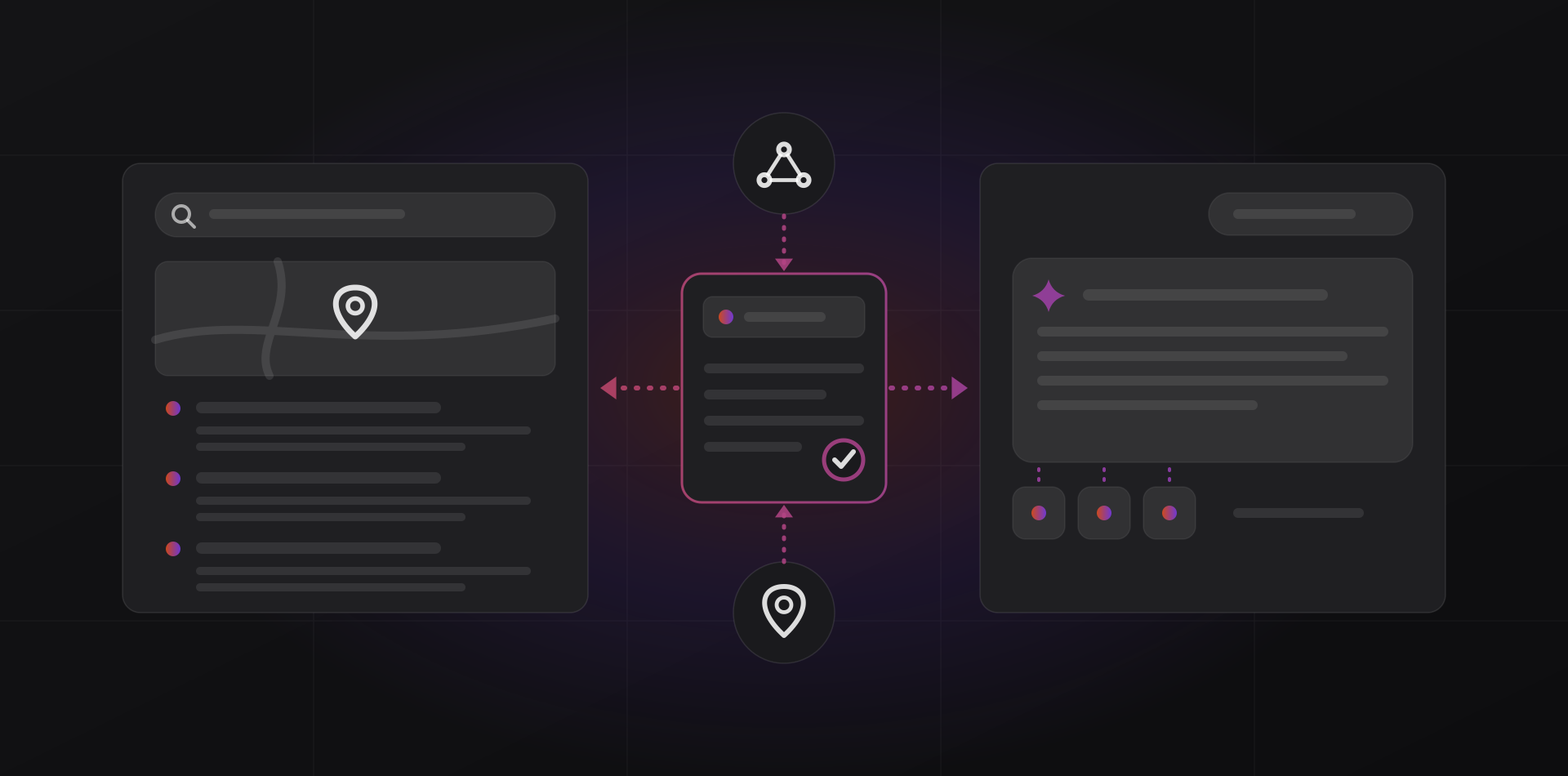
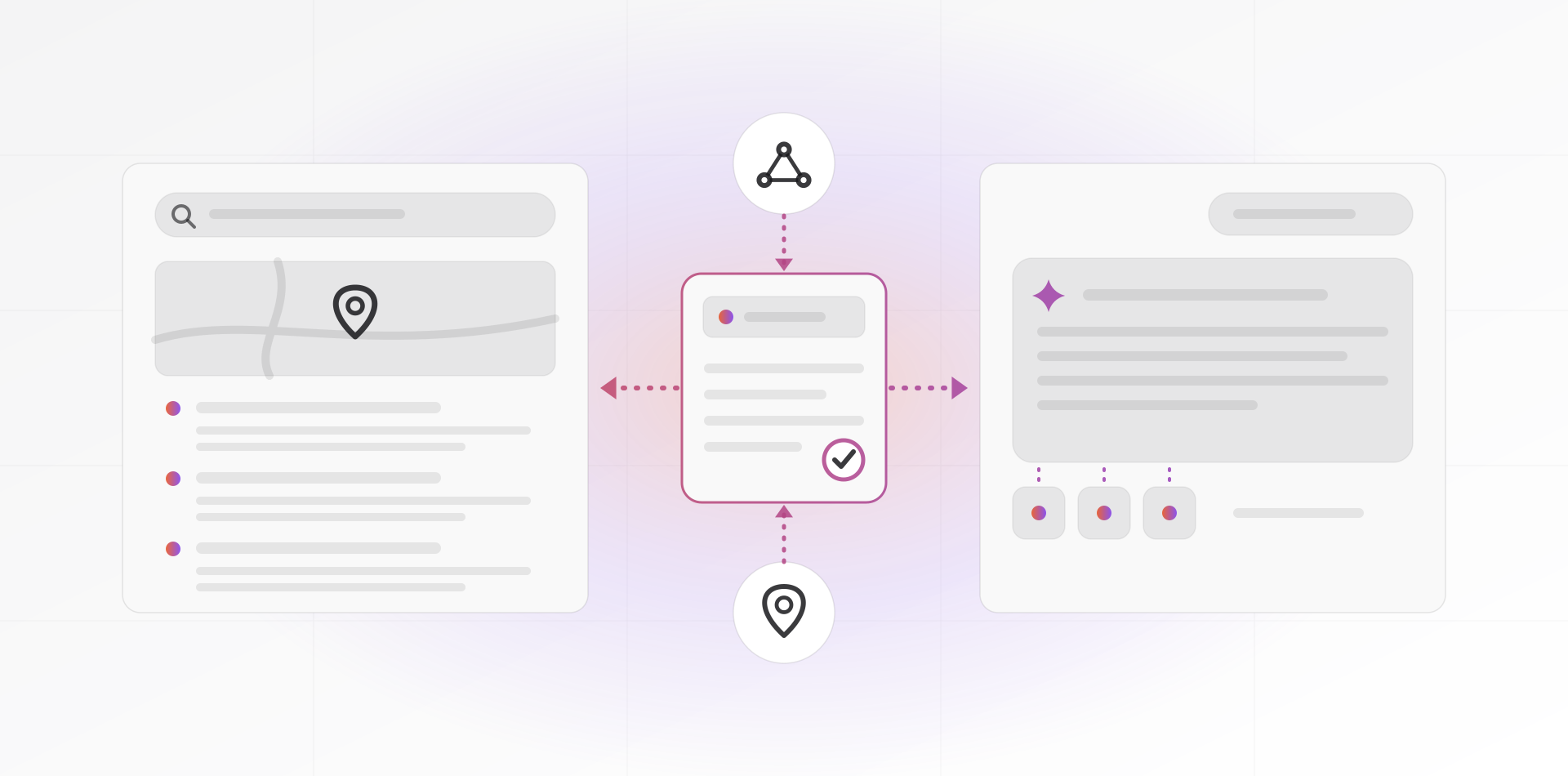
If customers search by place, your Google Business Profile is the most useful free asset you have. It feeds the map results and the panel beside your name when someone searches for you.
- Claim and verify the profile. Google confirms you own the business before showing full details.
- Choose the most specific primary category that fits. It is a strong hint to Google about which searches you match.
- Keep name, address, phone, hours and holiday hours exact, and identical to your website.
- Add real photos of the premises, the team and the work. List your services.
- Ask happy customers for reviews and reply to every review, good or bad. Never buy or fake them.
- Add the same details to Bing Places and Apple Business Connect.
Be honest about where you work. A page for each city you really serve, with details of that work, is useful. Fifty near-identical pages with only the city name swapped is what Google's spam policies call doorway abuse.
For AI answers about local businesses, it is a sensible bet that the same profile data and reviews matter. Those systems need somewhere to get opening hours and ratings. No engine publishes its exact inputs.
How to measure SEO and GEO
Measure outcomes first and visibility second. Four sources give you most of what you need.
- Search Console: queries, impressions, clicks and pages. Google says traffic from AI Overviews and AI Mode is counted in the Performance report under Web search. There is no separate AI report.
- Analytics referrals: look for visits from chatgpt.com, perplexity.ai and similar. Expect small, incomplete numbers, because not every app passes the referrer along.
- Business Profile insights: calls, direction requests and website clicks.
- A monthly manual test: write ten questions customers really ask. Run them in Google, ChatGPT with search on and Perplexity. Note whether you are cited and whether what they say about you is correct.
AI answers change from run to run, so look for trends rather than single results. Also add one line to your enquiry form: how did you hear about us? Include Google, Maps, an AI assistant and a friend. It is crude, and it catches what analytics misses.
Be wary of anyone who guarantees a ranking or a citation. Nobody controls those, and SEO usually takes months to show. Paid tools that track AI mentions exist, but their sampling differs. Start with the free checks.
A 30-day plan
- Week 1: verify your site in Search Console and Bing Webmaster Tools. Check robots.txt and security settings for blocked crawlers. Claim your Business Profile.
- Week 2: pick your five most important service pages. Rewrite each opening as a direct answer. Add real details and a short FAQ.
- Week 3: make your business name, address, phone and description identical across the site and listings. Add LocalBusiness and Organization structured data.
- Week 4: record your baseline. Run the ten-question test, save the Search Console numbers and ask three customers for reviews. Then repeat monthly.
Resist buying a stack of tools in month one. Clear pages, honest facts and a complete profile come first.
Frequently asked questions about SEO and GEO
What is GEO, or generative engine optimization?
GEO is the practice of making your content easy for AI answer engines to find, understand and cite, in tools such as Google's AI Overviews, ChatGPT search and Perplexity. It builds on SEO rather than replacing it. No engine publishes a ranking formula, so treat specific tactics as informed bets.
Do I need to do anything special to appear in Google's AI Overviews?
No. Google says a page only needs to be indexed and eligible to show in Search with a snippet, and that no special markup, AI text file or extra optimization is required. Focus on helpful content, technical basics and accurate structured data that matches what visitors see.
Do I need an llms.txt file?
No. It is an optional, informal proposal from 2024, and Google says you do not need AI-specific files to appear in its AI features. If you want to publish one, keep it to a short Markdown list of your most useful pages and do not expect it to change rankings.
Is SEO still worth it if people use ChatGPT?
Yes. AI answers still rely on pages that are crawlable, accurate and trusted, which is what SEO builds. Google's AI features are part of Search itself, so ranking work and AI visibility overlap heavily. Customers also still search for you by name and by place.
How do I know if ChatGPT or Perplexity mentions my business?
Ask them. Write ten questions your customers ask, run them each month with search turned on, and note whether you are cited and whether the details are right. Also check analytics for referrals from chatgpt.com and perplexity.ai. Results vary between runs, so track trends rather than single answers.
Where to go next
If you want a plain audit of where you stand, see our SEO service. For a site built on these basics from the first layout, look at our web design work. Or contact us with your website address and your five most important pages, and we will tell you what to fix first.
Related articles